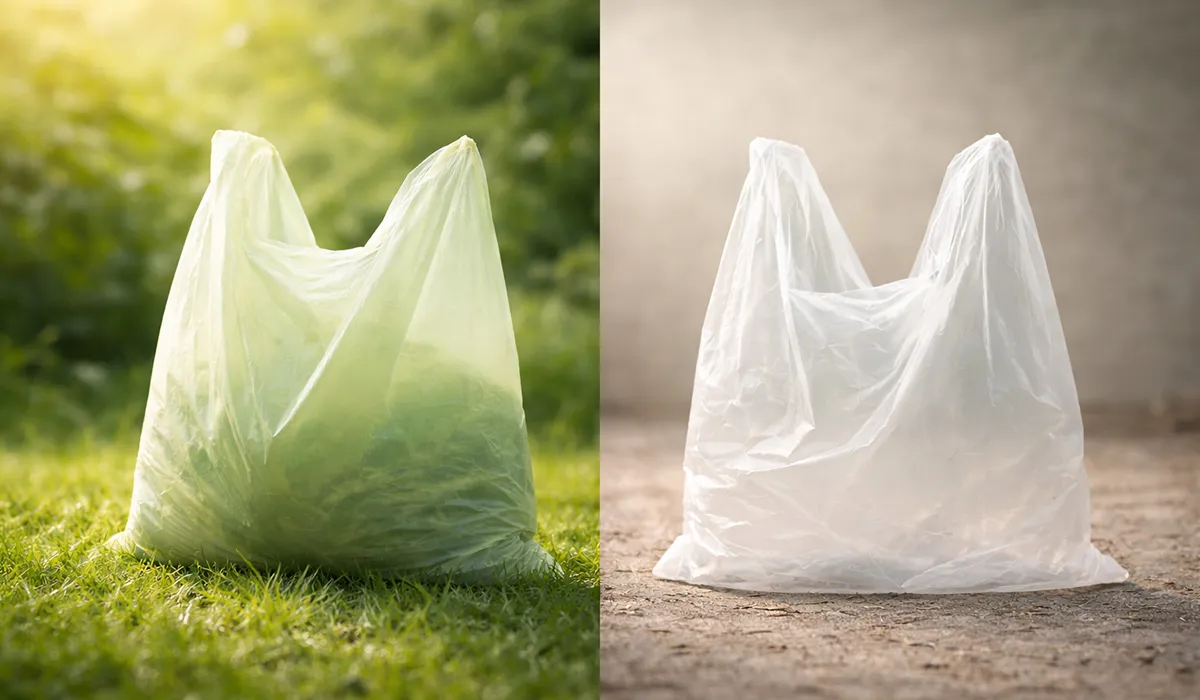
Compostable Bags vs Plastic Bags: Which Is Better for the Future?
The debate between compostable bags and plastic bags has become central to
global sustainability efforts. As environmental regulations tighten and
consumer awareness grows, businesses across industries are rethinking their
packaging choices. While plastic bags have long dominated the market due to
low cost and convenience, compostable bags are rapidly emerging as the
smarter, future-ready alternative.
Understanding the differences between compostable and plastic bags is
essential for businesses looking to stay compliant, competitive, and
environmentally responsible.
What Makes Compostable Bags Different?
Compostable bags are manufactured using renewable, plant-based materials designed to
decompose naturally under composting conditions. Instead of lingering in the
environment, they break down into organic matter, water, and carbon dioxide—leaving
no toxic residue behind.
Unlike traditional plastic, compostable bags support a circular economy by returning
to nature rather than polluting it. This makes them an environmentally responsible
alternative for packaging, waste management, agriculture, and logistics.
Environmental Impact Comparison
The most significant difference between compostable and plastic bags lies in their
environmental footprint. Plastic bags contribute heavily to landfill overflow and
ocean pollution. Even when recycled, plastic recycling rates remain low in many
regions.
Compostable bags, on the other hand, are designed to minimize long-term
environmental harm. When disposed of correctly, they decompose efficiently and help
reduce waste accumulation. For countries prioritizing sustainability, compostable
packaging aligns perfectly with environmental policies and waste management goals.
Performance and Usability
A common concern among businesses is whether compostable bags can match the strength
of plastic bags. Modern compostable packaging technology has addressed this concern
effectively.
High-quality compostable bags offer excellent tear resistance, load-bearing
capacity, and leak protection. They are now widely used for trash bags, garbage
bags, courier bags, shopping bags, and industrial applications. While plastic bags
may still have a slight edge in extreme conditions, compostable bags provide more
than sufficient performance for everyday and commercial use.
Regulatory Compliance and Global Policies
Governments across the USA, Europe, Middle East, Africa, and Oceania are enforcing
strict regulations on plastic usage. States like California, New York, and Oregon
have introduced bans or fees on plastic bags, encouraging compostable alternatives.
Similarly, European countries such as Germany, France, and the UK have strong
sustainability mandates.
Using compostable bags helps businesses stay compliant with these regulations,
avoiding penalties and supply chain disruptions. For exporters, this compliance is
crucial when serving multiple international markets.
Cost Considerations: Short-Term vs Long-Term
Plastic bags are often cheaper in the short term, which explains their long-standing
popularity. However, the long-term costs of plastic—including environmental damage,
regulatory penalties, and brand reputation risks—are increasingly outweighing
initial savings.
Compostable bags may have a slightly higher upfront cost, but they offer long-term
value through regulatory compliance, positive brand perception, and alignment with
sustainability goals. As demand grows and production scales, compostable packaging
is becoming more cost-competitive.
Brand Image and Consumer Preference
Today’s consumers are more informed and environmentally conscious than ever. Many
actively choose brands that demonstrate sustainability in packaging and operations.
Plastic packaging is increasingly viewed as outdated and irresponsible.
Businesses using compostable bags benefit from enhanced brand trust and customer
loyalty. Retailers, e-commerce brands, and distributors can clearly communicate
their commitment to sustainability through eco-friendly packaging choices.
Applications Across Industries
Plastic bags have traditionally been used everywhere—but compostable bags are now
replacing them across multiple industries:
Retail: Shopping bags and T-shirt bags
Waste Management: Trash and garbage bags
Logistics:Mailer and courier bags
Agriculture:Nursery and grow bags
Textiles:Garment packing bags
Industrial:Heavy-duty industrial packaging
This versatility proves that compostable bags are no longer niche products—they are
mainstream solutions.
Why Businesses Are Making the Switch
The shift from plastic to compostable packaging is driven by a combination of
regulation, responsibility, and reputation. Businesses that switch early gain a
competitive advantage, positioning themselves as sustainability leaders rather than
reactive followers.
Export-focused manufacturers like Nuham Group support this
transition by offering reliable, high-performance compostable bags tailored for
global markets. With consistent quality and scalable production, they help
businesses move away from plastic without operational challenges.
The Clear Choice for the Future
While plastic bags may still exist in limited applications, their dominance is
rapidly fading. Compostable bags represent the future of packaging—combining
environmental responsibility, regulatory compliance, and modern performance
standards.
For businesses planning long-term growth, the choice is clear. Compostable bags are
not just better for the planet—they are better for business.
Choosing compostable over plastic today means choosing sustainability, compliance,
and credibility for tomorrow.